Razor bumps can be frustrating, uncomfortable, and difficult to manage, especially for people who shave often. If you regularly deal with redness, irritation, or ingrown hairs after shaving, learning how to prevent razor bumps can make a major difference. The good news is that prevention usually comes down to improving your routine before, during, and after shaving.
Razor bumps often happen when shaved hairs curl back into the skin or becomes trapped beneath the surface. This can lead to inflammation, tenderness, and small raised bumps that may look like acne. While some people are more prone to razor bumps because of hair texture or skin sensitivity, shaving habits play a major role in whether the problem gets better or worse.
Start With Proper Skin Preparation
One of the best ways to prevent razor bumps is to prepare the skin before shaving. Dry hair is harder to cut cleanly, which means the razor creates more friction and irritation. Warm water helps soften the hair and the outer layer of skin, making shaving easier and gentler.
Many people get a better shave after a warm shower because the hair is softer and easier to remove. If you are not shaving after a shower, washing the area with warm water for a few minutes can still help. A gentle cleanser can remove oil, dirt, and buildup that may interfere with a smoother shave.
Use a Quality Shaving Cream or Gel
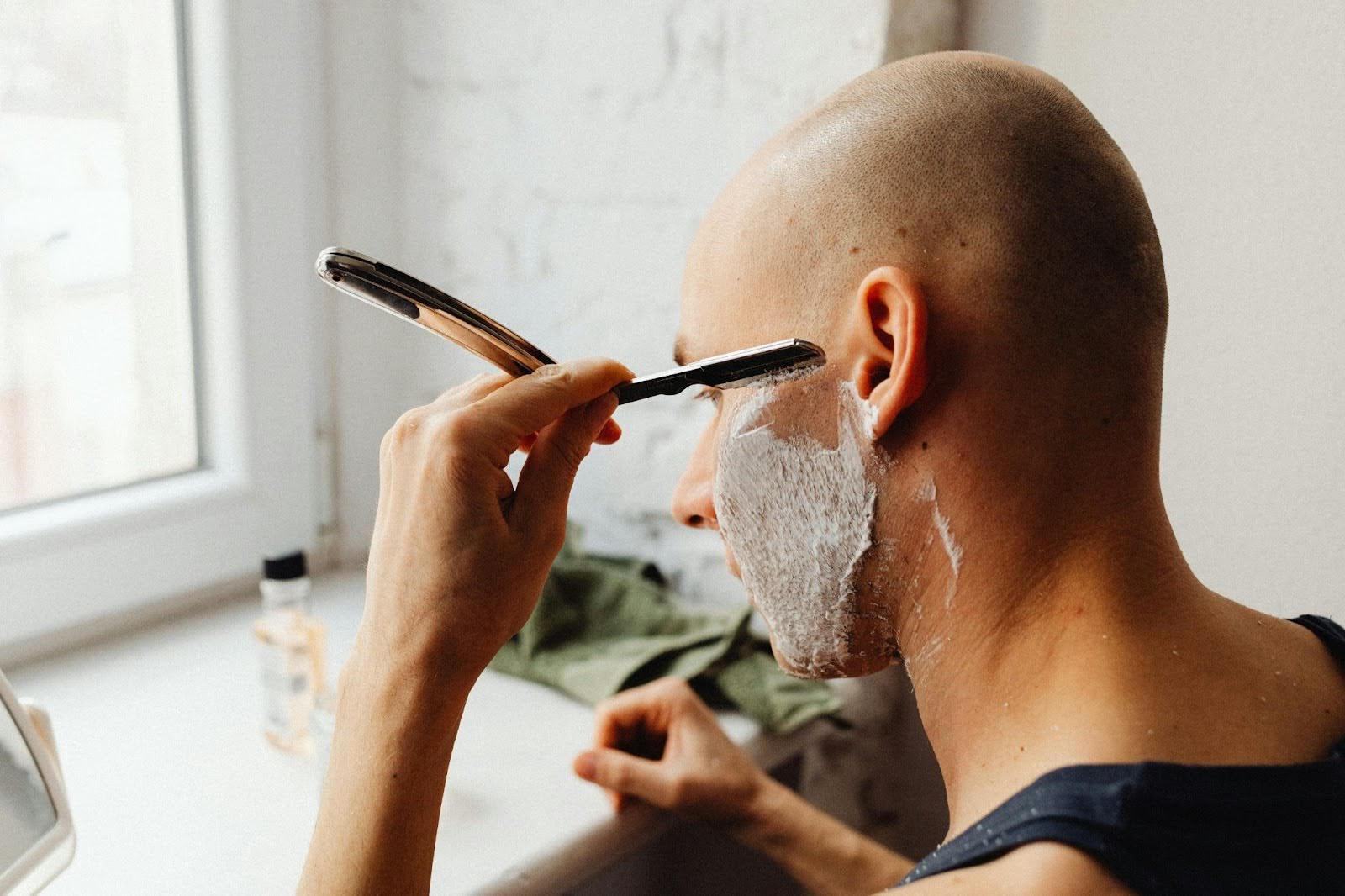
Lubrication is important if you want to reduce irritation. A good shaving cream or gel creates a protective layer between the razor and the skin. This helps the blade glide instead of drag.
If your skin is sensitive, choose products without strong fragrance or harsh ingredients. The goal is to reduce friction, not add more irritation. Letting the shaving cream sit on the skin briefly before shaving can also help soften the hair even more.
Shave With the Grain
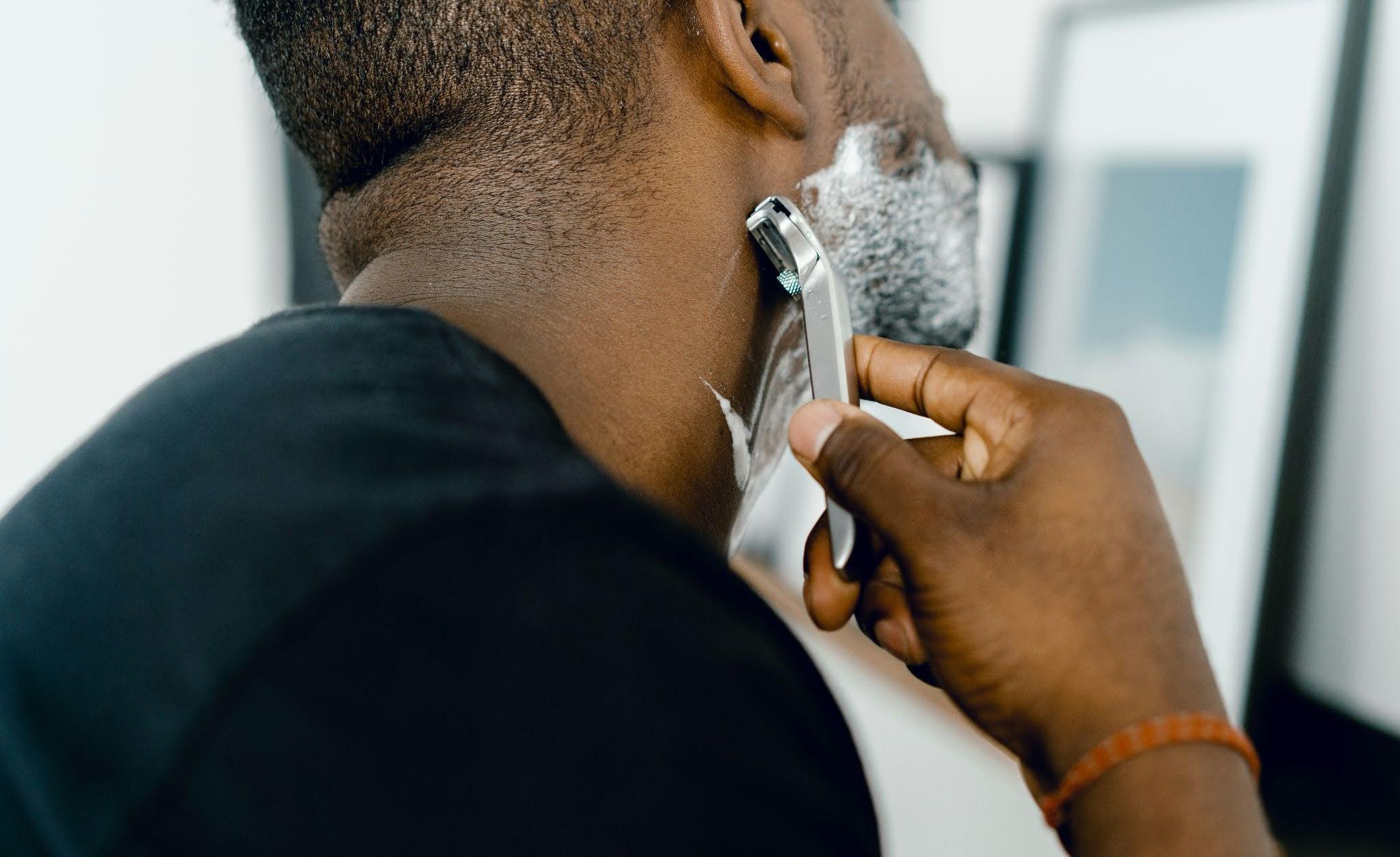
One of the most important shaving habits for preventing razor bumps is shaving in the direction of hair growth. This is often called shaving with the grain. Shaving against the grain may feel smoother at first, but it increases the chance that the cut hair will curl back into the skin.
A with-the-grain shave may not feel quite as close, but it is usually much kinder to the skin. Over time, this simple change can reduce the number of ingrown hairs and lower the risk of irritation.
Use Light Pressure and Fewer Passes
Pressing too hard with the razor can irritate the skin and cut the hair too closely. Repeated passes over the same area can also increase inflammation. Instead, use light pressure and short, controlled strokes.
Trying to force an ultra-close shave often backfires. The more aggressive the shave, the more likely the skin is to react. A gentler approach usually leads to better long-term results.
Keep Your Razor Clean and Sharp
A dull blade can tug at the hair instead of cutting it cleanly. This creates more friction and can leave the skin irritated. Dirty razors can also introduce bacteria, which may worsen inflammation.
Replacing blades regularly and rinsing the razor thoroughly after each use can help. Some people with sensitive skin find that fewer blades work better because they reduce how closely the hair is cut. The best razor is often the one that removes hair effectively without over-irritating the skin.
Avoid Shaving Too Frequently if Possible
Frequent shaving can make razor bumps worse because the skin does not always have enough time to recover. If your schedule allows, giving the skin extra time between shaves may help reduce irritation.
This is not always possible for people who need to stay clean-shaven for work, but even small frequency adjustments can sometimes help. If daily shaving is required, careful technique becomes even more important.
For individuals required to stay clean-shaven for work, such as in certain professional or safety-sensitive roles, managing razor bumps can be more challenging. In cases where shaving leads to persistent irritation or ingrown hairs, some may consider speaking with a healthcare provider about a medical shaving waiver. This can allow for alternative grooming standards while protecting skin health.
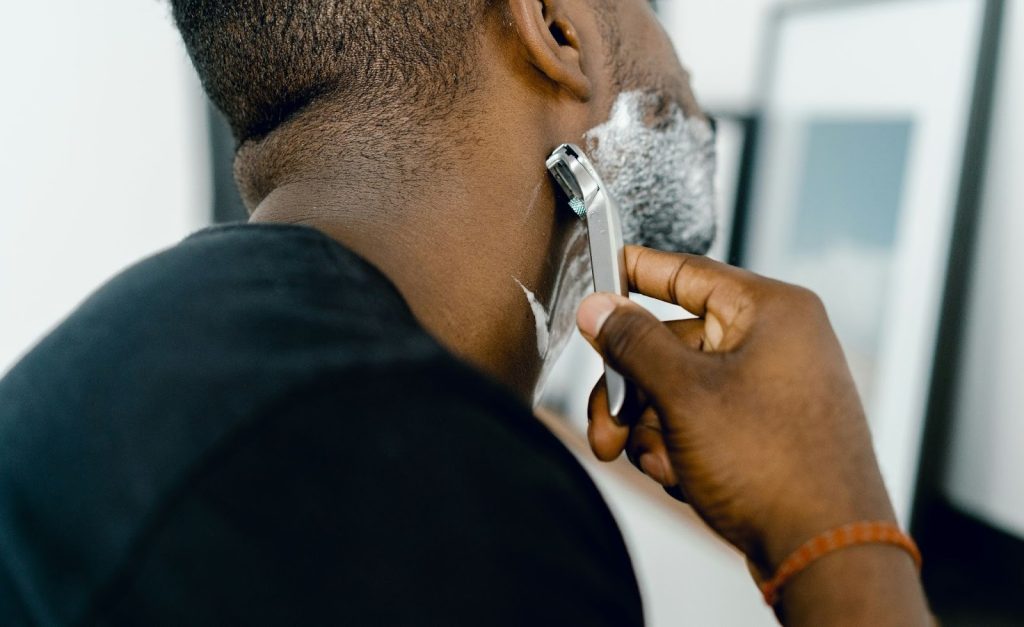
Use Gentle Post-Shave Care
What you do after shaving matters just as much as what you do before it. Rinse the skin with cool water to help calm the area. Then apply a gentle moisturizer or soothing post-shave product to support the skin barrier.
Avoid products that sting, burn, or leave the skin feeling tight. Alcohol-heavy aftershaves and strong fragrances can make freshly shaved skin more reactive. Gentle hydration often works better than harsh toners or aggressive treatments.
Reduce Friction After Shaving
Freshly shaved skin is more sensitive, so friction can make irritation worse. Tight collars, rough fabrics, or constant rubbing in the shaved area can contribute to discomfort and inflammation. This is especially true around the neck.
If possible, avoid anything that rubs heavily against the skin right after shaving. Giving the area time to settle can help reduce flare-ups.
Be Careful With Exfoliation
Exfoliation can help remove dead skin that traps hairs, but too much exfoliation can make razor bumps worse. If you use exfoliating products, choose gentle options and avoid scrubbing irritated skin aggressively.
The goal is to support healthy skin turnover without damaging the skin barrier. For many people, less is more.
Know When to Consider Other Options
If you have tried improving your shaving routine and still deal with frequent razor bumps, it may be time to consider other solutions. Some people benefit from changing grooming methods, using products designed for sensitive skin, or seeking medical guidance for recurring ingrown hairs and irritation.
Persistent razor bumps are not always something you have to simply tolerate. If the problem keeps coming back, a more personalized treatment plan may help.
Final Thoughts
Learning how to prevent razor bumps is really about consistency. Good skin preparation, proper shaving technique, clean tools, and gentle aftercare all work together to reduce irritation. While no routine is perfect for everyone, small changes often lead to meaningful improvement.
If razor bumps are affecting your comfort, appearance, or confidence, visit our website and find solutions to smooth and irritation-free skin!