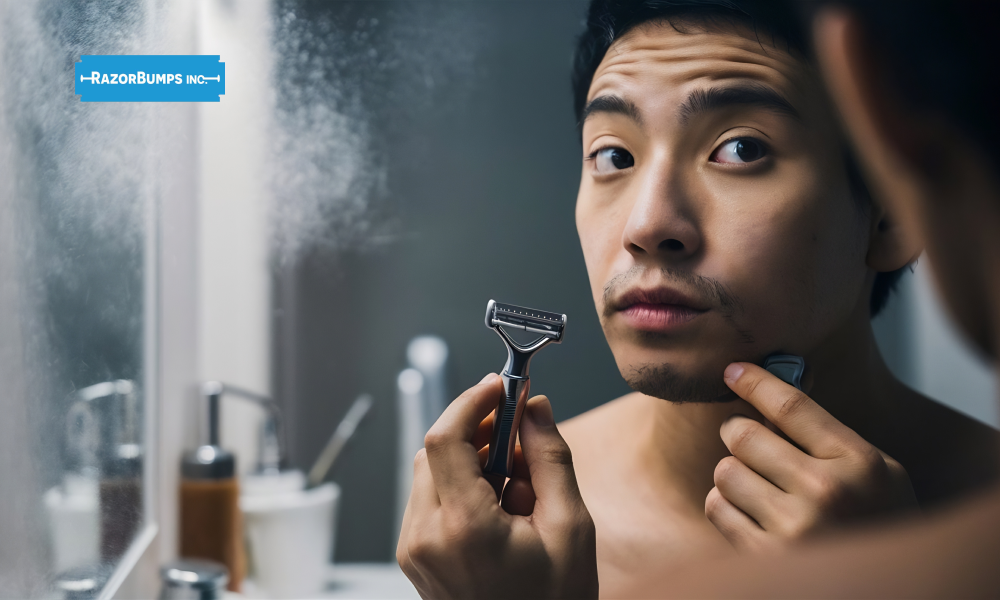
Razor bumps can range from mildly annoying to painful and persistent. For some people, they show up only once in a while after shaving. For others, they are a recurring skin problem that causes redness, discomfort, dark marks, and frustration. If you are searching for the best treatments for razor bumps, it helps to understand that treatment depends on both the severity of the bumps and what is causing them.
Razor bumps usually develop when shaved hairs curl back into the skin or becomes trapped beneath the surface. This can lead to inflammation and ingrown hairs, especially in people with coarse or curly hair. The best treatments for razor bumps focus on calming irritation, helping the skin heal, and preventing the same problem from returning.
Start With the Basics
Before looking at more advanced options, it is important to start with simple skin care changes. In many cases, razor bumps improve when the skin is given time to recover and the shaving routine becomes gentler.
The first step is to avoid shaving over inflamed skin if possible. Continuing to shave irritated areas can make bumps worse and increase the risk of more ingrown hairs. Gentle cleansing with a mild face or body wash can help keep the area clean without causing more irritation.
A warm compress may also help soften the skin and encourage trapped hairs to surface naturally. This is a simple at-home step, but it can be effective when used consistently.
Gentle Moisturizing and Skin Support
One of the best at-home treatments for razor bumps is basic skin barrier support. Irritated skin often heals better when it is kept moisturized and protected. A gentle moisturizer can reduce dryness, calm tightness, and support recovery.
Products that sting or contain strong fragrance may make razor bumps worse, especially on freshly shaved skin. In many cases, simple and soothing products work better than aggressive treatments.
Careful Exfoliation
Exfoliation can be helpful because dead skin cells may trap hairs beneath the surface. Gentle exfoliation may help reduce the chance of ingrown hairs and support smoother skin. However, too much exfoliation can worsen inflammation, especially if the bumps are already red and tender.
The key is to be careful. The goal is not to scrub the bumps away but to support healthy skin turnover. Overdoing it can damage the skin barrier and make the problem harder to control.
Improve the Shaving Routine
One of the most effective treatments for razor bumps is changing the shaving method that causes them. If the underlying routine stays the same, the bumps often return.
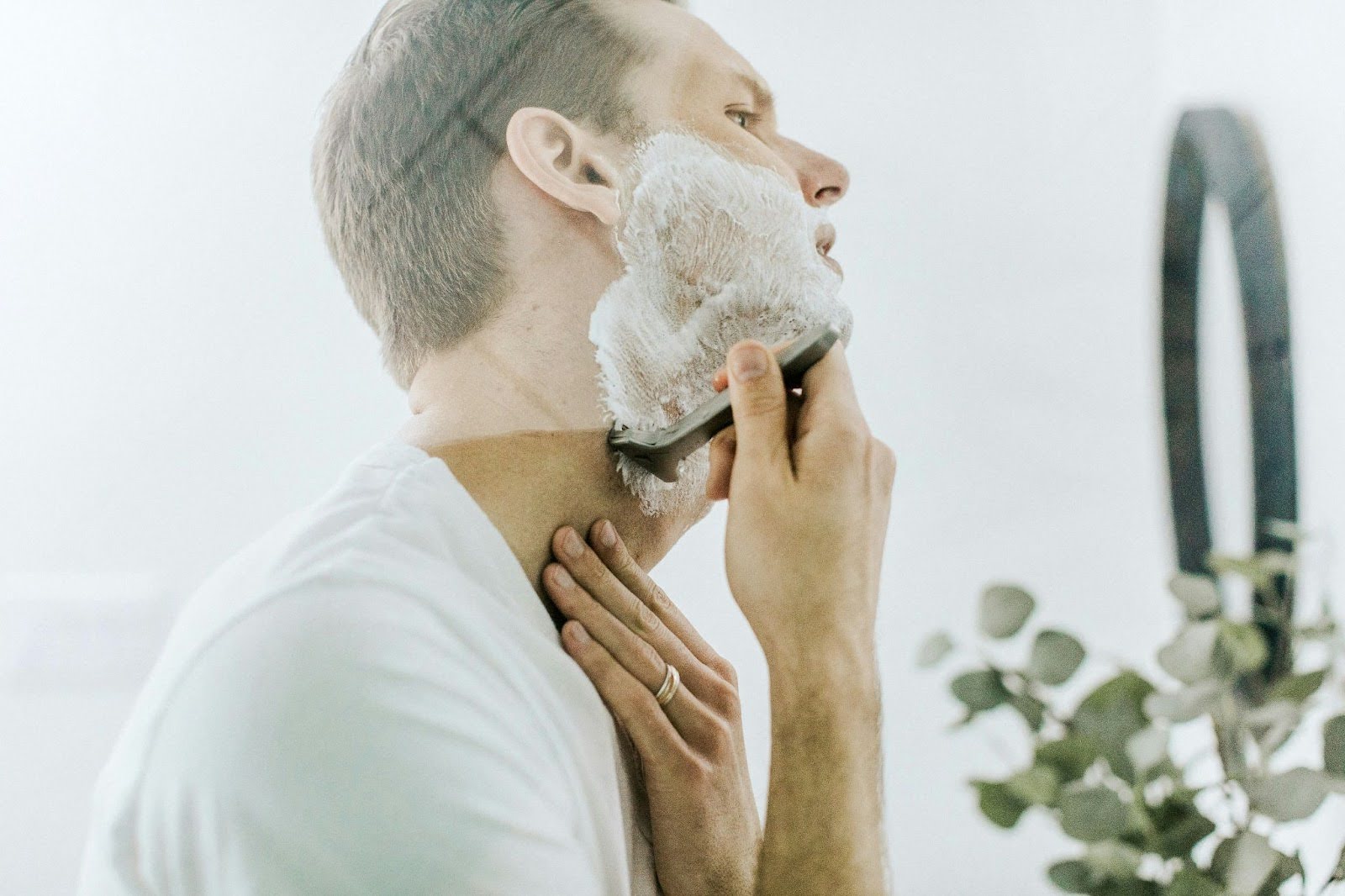
Helpful changes may include shaving with the grain instead of against it, using a clean, sharp razor, applying shaving cream or gel, and avoiding repeated passes over the same area. Light pressure is also important. A less aggressive shave often leads to less irritation.
For some people, changing how often they shave can also help. Giving the skin more time to recover between shaves may reduce repeated inflammation.
Over-the-Counter Options
Some people use over-the-counter products designed to calm irritation or support exfoliation. These may help in mild cases, especially when used carefully and consistently. The best option depends on skin sensitivity and how severe the razor bumps are.
It is important to avoid layering too many active products at once. When skin is already irritated, a complicated routine can make things worse rather than better.
When Medical Treatment May Be Needed
If razor bumps are severe, painful, infected, or keep returning, at-home care may not be enough. In those cases, medical treatment may be the best next step. Persistent razor bumps can sometimes require a more targeted plan, especially if they are causing scarring, dark marks, or ongoing discomfort.
Medical guidance may be especially helpful for people who must shave regularly for work and cannot simply avoid the trigger. A professional evaluation can help identify the best treatment path based on the skin, hair type, and severity of the condition.
Long-Term Solutions
For some people, the best treatment is not just managing current bumps but reducing the chance of future ones. That may involve improving shaving habits, changing grooming methods, or exploring longer–term options when razor bumps are chronic.
The right long-term solution depends on how often the problem happens and how much it affects daily life. What works for one person may not be enough for another, which is why recurring razor bumps often need a more personalized approach.
Final Thoughts
The most effective treatments for razor bumps combine gentle skincare, improved shaving habits, and consistent prevention. Mild cases often respond well to simple at-home care like warm compresses, proper moisturizing, and a less aggressive shaving routine. However, more persistent or severe razor bumps may require professional evaluation and a more targeted treatment approach.
If razor bumps continue to come back, it’s important to focus not just on short-term relief, but on breaking the cycle altogether. With the right strategy, you can reduce irritation, improve your skin’s appearance, and achieve long-term results.
For those dealing with recurring or severe razor bumps, especially if shaving is required for work, getting a medical shaving waiver from Razor Bumps Inc. may be the best solution.
Get expert guidance and find out if you qualify!