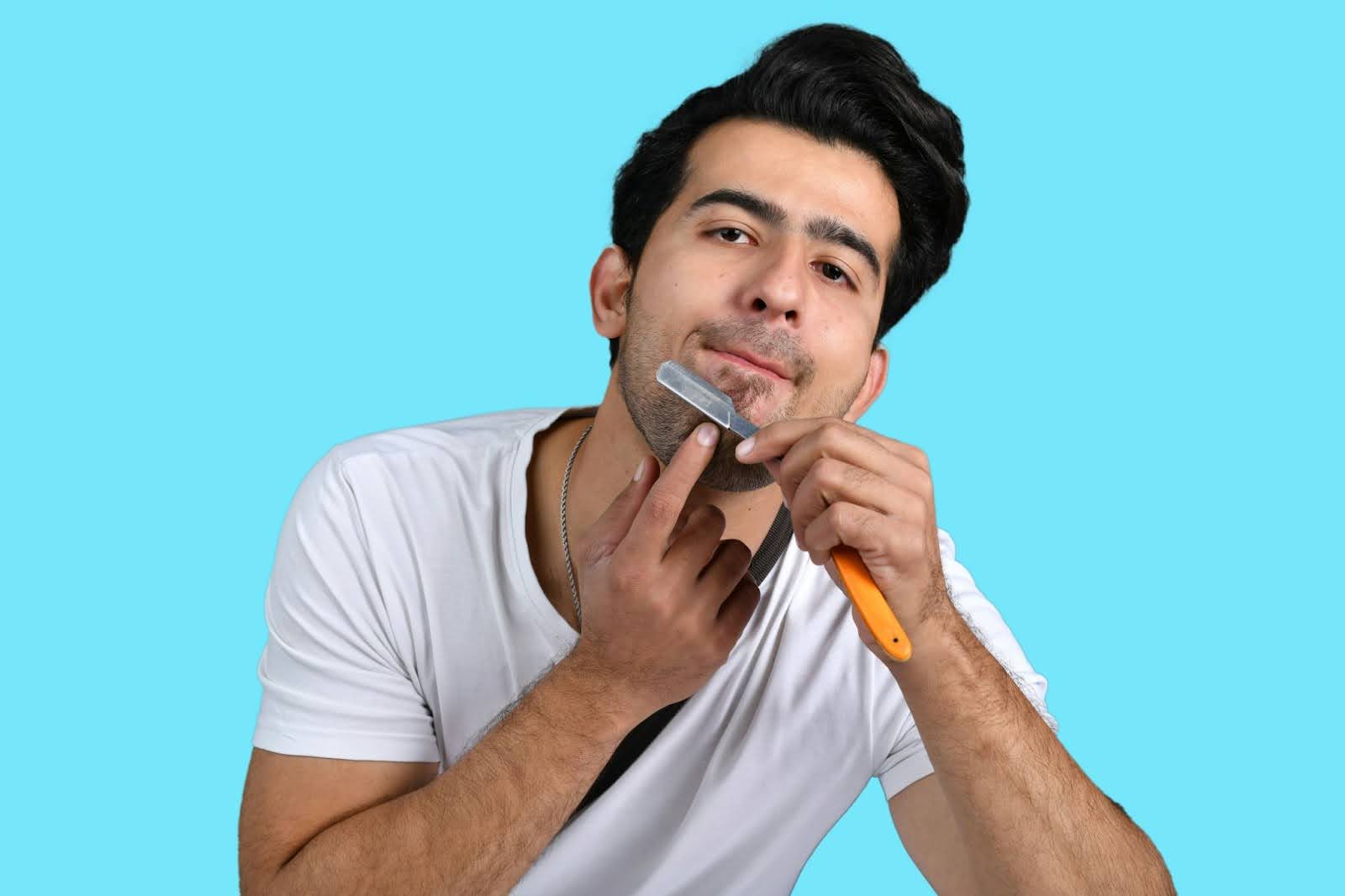

For people who struggle with recurring razor bumps, shaving can feel like a constant cycle of irritation. The skin becomes inflamed, ingrown hairs develop, and the same problem returns again after the next shave. That is why many people start looking into laser hair removal for razor bumps as a possible long-term solution.
Razor bumps usually happen when shaved hairs curl back into the skin or becomes trapped beneath the surface. This often leads to inflammation, tenderness, and bumps that may look similar to acne. For people with coarse or curly hair, the problem can be especially persistent. If shaving is a regular part of your routine, the cycle may continue unless the underlying cause is addressed.
Why Laser Hair Removal Is Considered
Laser hair removal is often considered because it targets the hair itself. Since razor bumps are commonly linked to hair growing back into the skin, reducing hair growth may also reduce the chance of ingrown hairs and irritation.
For people who experience frequent razor bumps, this can make laser hair removal appealing as a longer-term option. Instead of only treating the bumps after they appear, the goal is to reduce the trigger that causes them in the first place.
How It May Help With Razor Bumps
Laser hair removal works by targeting hair follicles. Over time, this can reduce hair growth in the treated area. With less hair growth, there may be fewer opportunities for shaved hair to curl back into the skin and create bumps.
This is why some people see laser hair removal as more than a cosmetic option. For those who deal with chronic irritation from shaving, it may be part of a broader plan to reduce recurring skin problems.
Potential Benefits
One of the biggest benefits of laser hair removal for razor bumps is the possibility of long-term improvement. People who are tired of repeated shaving irritation may appreciate an option that reduces the need for frequent hair removal.
Another benefit is that it may help reduce the cycle of ingrown hairs, inflammation, and dark marks that can follow repeated razor bumps. For people whose skin reacts strongly to shaving, reducing the frequency of shaving can be a meaningful advantage.
Important Limitations
Laser hair removal is not a one-time instant fix. It usually requires multiple sessions, and results can vary from person to person. Hair type, skin type, and the severity of the razor bump problem can all affect the outcome.
It is also important to understand that laser hair removal may not be the right fit for everyone. Some people may need a different approach depending on their skin sensitivity, goals, or medical history.

Who May Be a Good Candidate
People who experience frequent razor bumps, repeated ingrown hairs, or ongoing irritation from shaving may consider discussing laser hair removal with a qualified professional. It may be especially appealing for those who have already tried changing razors, improving shaving technique, and using gentler skin care without enough improvement.
A proper evaluation can help determine whether laser hair removal makes sense based on the person’s skin, hair, and treatment goals.
What to Expect
Anyone considering laser hair removal should expect that it is usually a process rather than a single treatment. Improvement often happens over time. The treated area may also need proper skin care before and after sessions.
Because the goal is long-term reduction rather than immediate elimination, patience is important. People considering this option should also understand the value of professional guidance and realistic expectations.
Other Options to Consider
Laser hair removal is only one possible approach. Some people may improve their razor bumps by changing their shaving technique, reducing shaving frequency, using gentler products, or seeking medical treatment for persistent irritation.
The best solution depends on how severe the problem is and how much it affects daily life. For some, laser hair removal may be worth exploring. For others, a simpler treatment plan may be enough.
Final Thoughts
Laser hair removal for razor bumps may be a helpful long-term option for people who deal with chronic shaving irritation and recurring ingrown hairs. By reducing hair growth, it may also reduce one of the main triggers behind razor bumps.
That said, it is important to approach it as a guided treatment decision rather than a quick fix. Results vary, and the best plan depends on the individual. If razor bumps keep returning and standard shaving changes have not helped, exploring laser hair removal with professional guidance may be a reasonable next step.
If razor bumps continue to return despite trying different razors, products, and routines, it may be time to explore more advanced solutions while also improving your daily shaving habits. One important step is understanding and following proper shaving practices, such as those outlined in a shaving waiver, which can help reduce irritation, prevent ingrown hairs, and protect your skin over time.
For more expert guidance, shaving best practices, and long-term solutions for managing razor bumps, visit our website and take the next step toward smoother, healthier-looking skin.